
Lighting Akihabara: A Journey Light by the Electric City
Quick answer
Akihabara's lighting is a big part of its identity: neon signs and LED screens turn Electric Town into a visual spectacle after dark. The best time to see it is at night, walking different streets to compare lighting styles.
Key facts
- Akihabara's lights reflect its history as Tokyo's electronics district.
- The lights are at their best at night, when signs and screens are fully on.
- Exploring different streets shows a variety of lighting styles.
Akihabara, known as Akihabara Electric Town, is a place where technology and pop culture meet in an impressive visual spectacle. Its lights are not only a treat for the eyes; they also reflect the energy of Japanese pop culture. If you are planning a visit, explore our Tourism category for more tips on making the most of your trip.
How Akihabara's lighting evolved
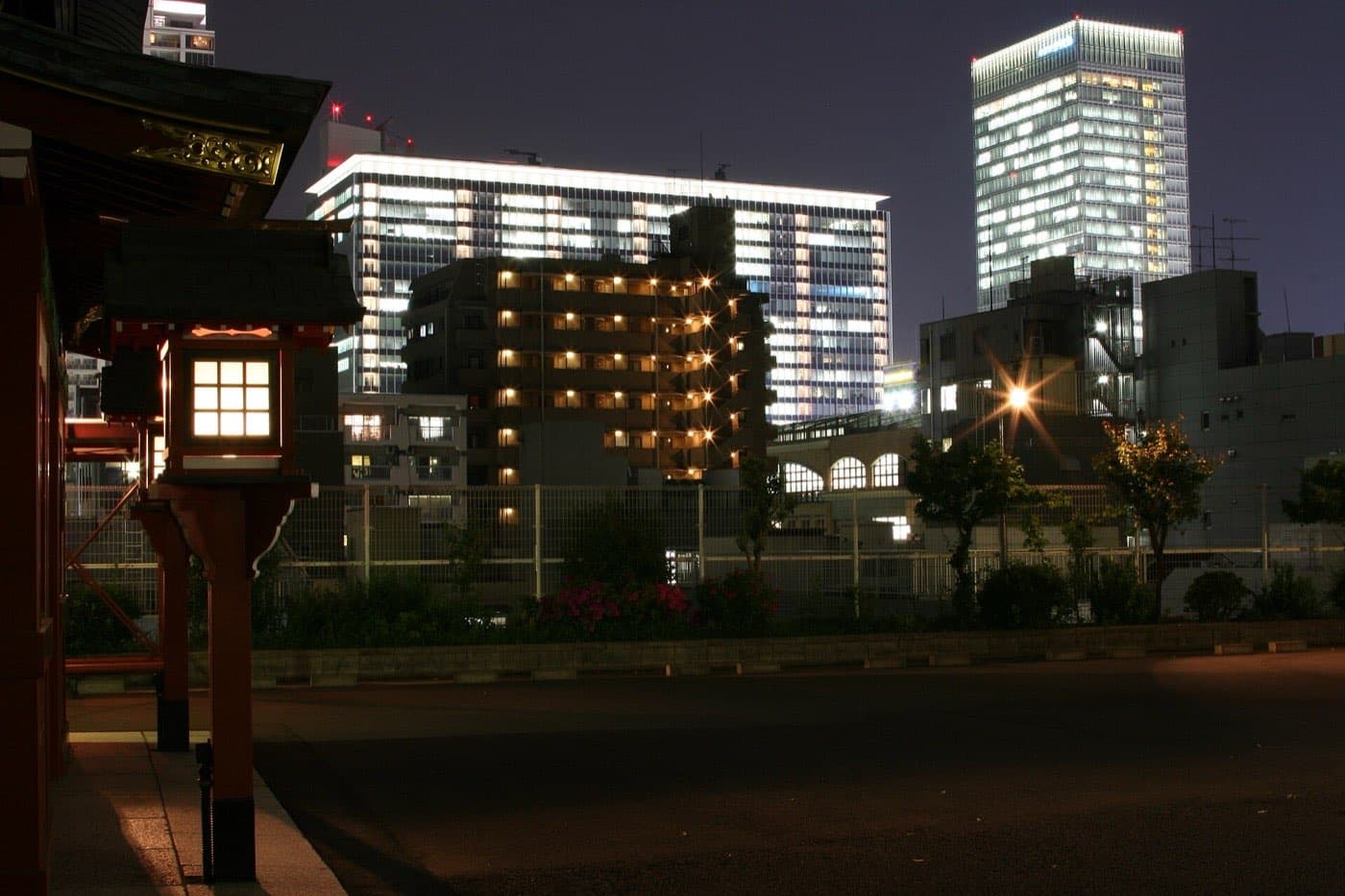
The history of Akihabara's lighting mirrors the history of the district itself. From its beginnings as a post-war black market, Akihabara grew into a center of technology and culture, and its lights changed along with its economic and social development.
In the 1950s and 1960s, Akihabara gained a reputation as an electronics center, and shop lighting became more elaborate. Neon signs began to decorate shop fronts, attracting customers with bright colors and bold designs, and came to symbolize Japan's economic boom at the time.
Over time, LED technology has largely replaced neon, allowing more creative designs and better energy efficiency. Today, Akihabara Electric Town's streets mix LED signs and large digital screens that create a futuristic atmosphere.
Lighting also helps promote events in Akihabara. Lights and screens highlight festivals, product launches and other activities that attract locals and tourists alike, reinforcing Akihabara's identity as a center of innovation and entertainment.
The impact of Akihabara's lights on pop culture
Akihabara's lighting is more than a visual spectacle; it has also left its mark on pop culture. Its bright signs and screens have inspired artists and content creators, and films, series, anime and video games have used the district's distinctive look as a backdrop.
A well-known example is the anime series Steins;Gate, in which Akihabara is almost a character in its own right, with its lit-up, lively streets helping to set the atmosphere of the story.
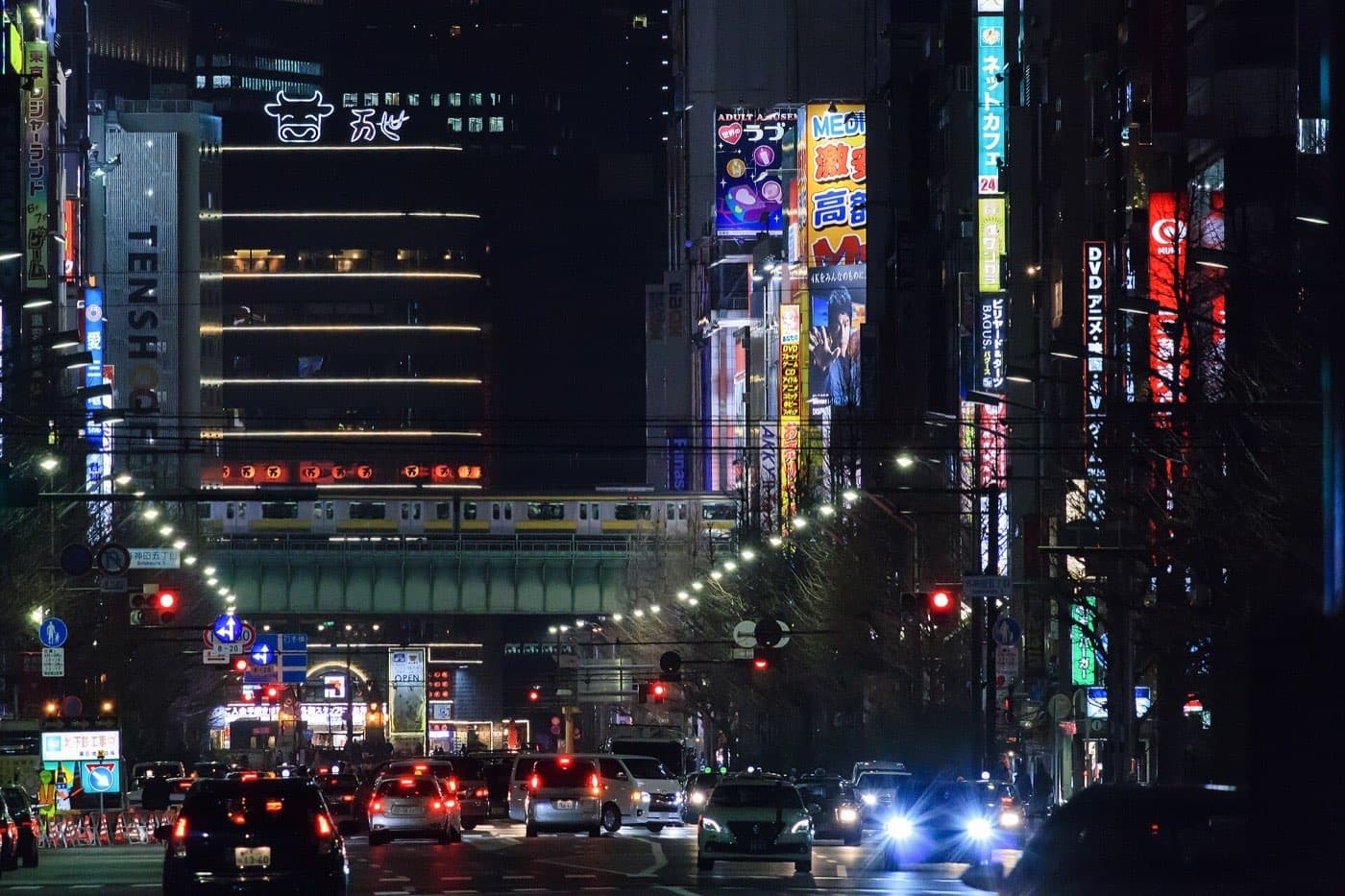
This image of neon streets and giant screens has helped make Akihabara famous around the world and draws visitors who want to experience it first-hand.
Akihabara Electric Town at night
Akihabara at night is something you should not miss. When the sun sets, the district comes alive with lights that turn the streets into a fantasy-like landscape of neon signs and LED screens.
One of the highlights of an evening in Akihabara is exploring shops and themed cafés that stay open into the evening. Many of them use lighting that matches their theme, so from anime cafés to electronics stores, each place adds its own style to the atmosphere.
Lighting also sets the scene for events held after dark, such as illuminations and seasonal celebrations. They are popular with both tourists and locals and create a sense of community and celebration.
If you want to know more about Akihabara after dark, we recommend our article Discover the Magic of Akihabara at Night, which covers the best things to do and see in the evening.
Technology and sustainability in Akihabara's lighting
Technology plays a key role in Akihabara's lighting. The move from neon to LED has been an important step towards lower energy consumption and less environmental impact.
LEDs are more energy-efficient and also more flexible in design and color, which lets businesses create more creative, dynamic displays. They also last longer, which means fewer replacements and less waste.
Many shops also use interactive displays and large screens to attract customers and create a more engaging shopping experience, in keeping with Akihabara's reputation for technological innovation.
Tips to enjoy Akihabara's lights
To make the most of Akihabara's lights, plan your visit in advance. These tips will help.
First, visit Akihabara at night, when the lights are at their best. The evening atmosphere is unique, so bring a camera to capture the views.
Second, explore different parts of Akihabara to discover the variety of lighting styles. From the main streets to the smaller alleys, every corner has its own personality, so venture beyond the best-known areas.
If you want to learn more about Akihabara's culture and history, consider a guided tour. Local guides can show you the most iconic places and recommend where to eat and shop.
Finally, read our article Events in Akihabara: Discover the Best Activities and Experiences to find out what is on. Events are a great way to immerse yourself in local culture and enjoy Akihabara's lights at their best.
Lighting is an essential part of any visit to Akihabara. From its history to its influence on pop culture, it reflects the innovation and creativity that define the district. If you are planning a visit, explore our Tourism category for more tips on getting the most out of your time in Akihabara Electric Town.
Related guides
Is Akihabara Better by Day or Night? Find Out the Ultimate Experience
Day or night in Akihabara? Compare shopping, photos, neon lights and crowds, and see how to combine both in one visit.
Things to do in Akihabara
The best things to do in Akihabara: anime stores, Pokémon cards, arcades, gashapon and events, with one-day and two-day itineraries.

Live the Winter in Akihabara: A Unique Experience
What to do in Akihabara in winter: illuminations, seasonal offers, warm themed cafés, winter events and tips for the cold.