

Best Time to Visit Akihabara, Season by Season
Quick answer
Spring and autumn are the most comfortable: sakura (cherry blossoms) peak in early April, and October and November are crisp and mild. Summer is hot and humid but busy with pop culture events, and winter brings illuminations. Most of Akihabara is indoors, so any season works.
Key facts
- Tokyo's cherry blossoms usually open in late March and peak in early April.
- The rainy season runs from June to mid-July, and typhoon season starts in August.
- Winter is mild, mostly between 1 and 10°C, with illuminations and New Year lucky bags.
Spring and autumn are the most comfortable seasons to visit Akihabara: mild days, good light for photos and pleasant evenings for walking between shops. That said, most of Akihabara happens indoors, in multi-floor stores, arcades and cafés, so there is no bad time to go. This guide covers what each season brings and how to plan around the weather. For more trip planning, see our Akihabara travel guides.
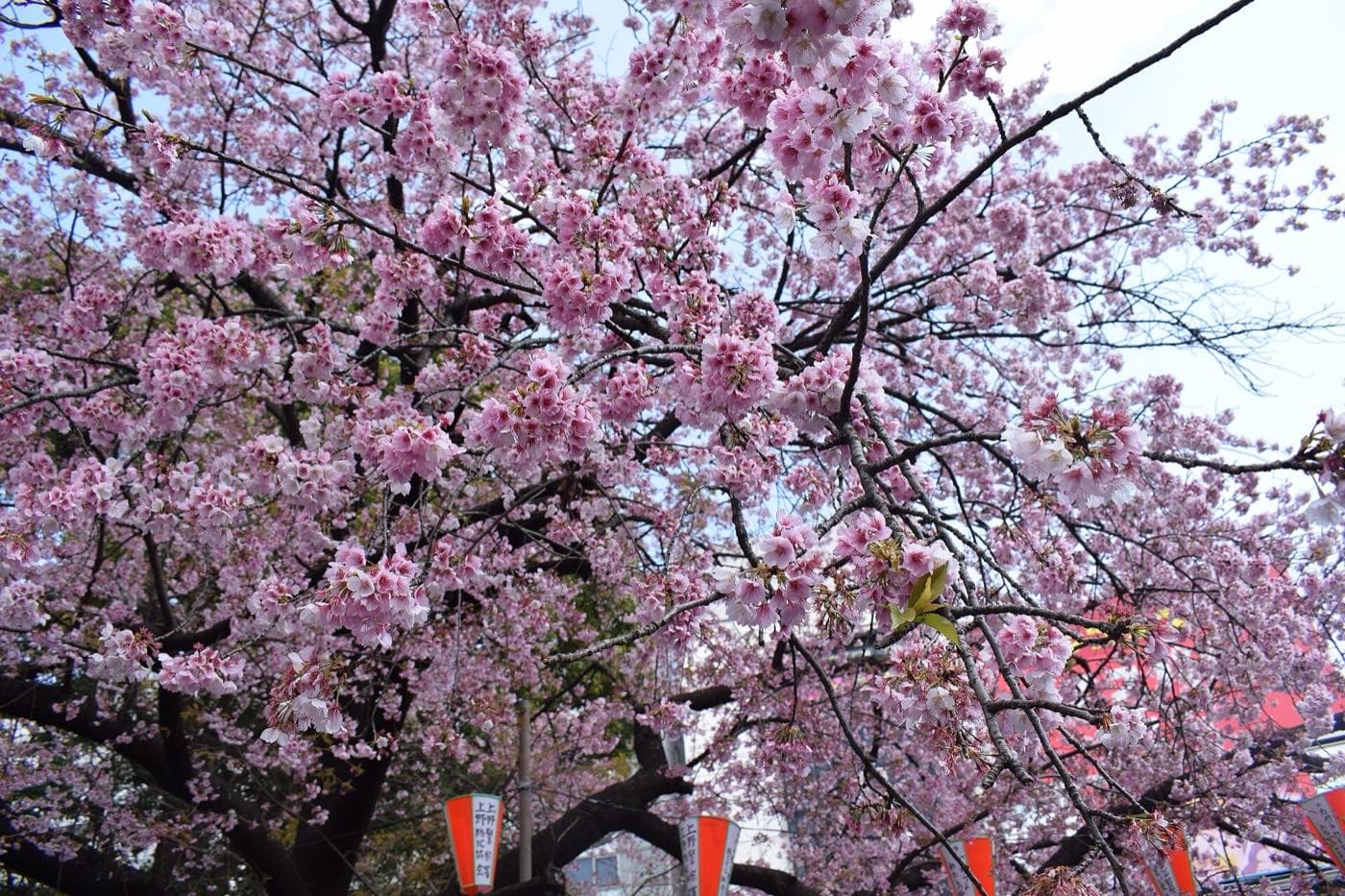
Spring: cherry blossoms a few stops away
Spring runs from March to May. Early spring can still be chilly, but by May most days are comfortably warm, so bring layers you can take off as the day heats up.
The big draw is sakura (cherry blossoms). In Tokyo they usually open in late March and peak in early April. Akihabara itself is not a cherry blossom spot, but Ueno Park, one of the city's most popular places for blossom viewing, is two stops away on the JR Yamanote Line, and Asakusa is two stops away on the Tsukuba Express.
A good spring day: blossoms in Ueno in the morning, then shopping in Akihabara in the afternoon. Themed cafés often add seasonal sakura desserts and drinks around this time, which makes for an easy break.
Blossom season is a popular time to travel in Japan, so book your hotel early if your dates fall in late March or early April.
Summer: rain, heat and pop culture events
Summer starts with the rainy season, from June to mid-July: expect steady drizzle and humidity often above 80%, rather than heavy downpours. A light rain jacket and shoes that can handle puddles are enough.
Then the heat arrives. Temperatures can go above 35°C (95°F) and rarely drop below 25°C (77°F) after sunset, with sudden evening showers. Typhoon season starts in August and can bring strong wind and heavy rain, so keep an eye on the forecast.
The good news is that Akihabara is built for this weather. Do your outdoor walking in the morning or evening, and spend the middle of the day inside the stores, arcades and cafés, which are air-conditioned. Drink water often and take breaks: heat stroke is a real risk.
Summer is also a busy season for anime and pop culture events and product launches, so it is a good time to look for limited items. Themed cafés switch to cold drinks and ice cream menus.
Autumn: the most comfortable months
Autumn runs from September to November. September can still be hot, above 30°C (86°F), and typhoons can disrupt travel, so the sweet spot is usually October and November.
By then the heat and humidity drop and the weather turns crisp and comfortable, perfect for long walks between shops. The leaves change color from around late October, and by early November you will want a sweater or light jacket in the evening.
Some themed cafés run Halloween menus in October, and the pleasant evenings make autumn a good season for neon photos after dark.
Winter: lights, gifts and lucky bags
Winter runs from December to February. December is still mild, and the real cold arrives in January, with temperatures mostly between 1 and 10°C (34 and 50°F). It rarely drops below freezing, and snow is possible but not common. Bring a coat, gloves and a scarf.
The streets light up with illuminations and Christmas decorations, and stores fill up with gift ideas and limited collaborations. Around New Year, many shops sell fukubukuro (lucky bags) with mystery contents. Opening times can change over the holidays, so check before you go.
It gets dark early in winter, around half past four, so the neon comes on sooner. Arcades and cafés make easy warm stops between shops.
Plan your visit by season
- Best weather: October and November, then April and May.
- Cherry blossoms: late March to early April, with Ueno Park two stops away.
- Events and limited items: summer, plus the Christmas and New Year season.
- Lights and early neon: winter.
- Rainy days: June to mid-July, when indoor shopping is the best plan.
Whatever season you choose, keep a flexible plan with one or two must-do stops and plenty of indoor options. For routes, budgets and getting there, browse our travel guides.
Related guides
Akihabara by Day or Night: Which Is Better?
Day or night in Akihabara? Compare shopping, photos, neon lights and crowds, and see how to combine both in one visit.
Things to do in Akihabara
The best things to do in Akihabara: anime stores, Pokémon cards, arcades, gashapon and events, with one-day and two-day itineraries.
Lighting Akihabara: A Journey Light by the Electric City
How Akihabara's lighting evolved, its role in pop culture and tips to enjoy the neon at night, from the best time to go to areas to explore.