
Free Things to Do in Akihabara, From Shrines to Neon
Quick answer
Plenty: walk the neon streets, visit Kanda Myojin shrine (free to enter), browse anime and retro game stores, try gadget demos and catch free events. On Sundays, Chuo-dori (the main street) closes to cars in the afternoon, the best free plan of the week.
Key facts
- On Sundays, Chuo-dori is car-free from 1 p.m. until 6 p.m. (5 p.m. from October to March), weather permitting.
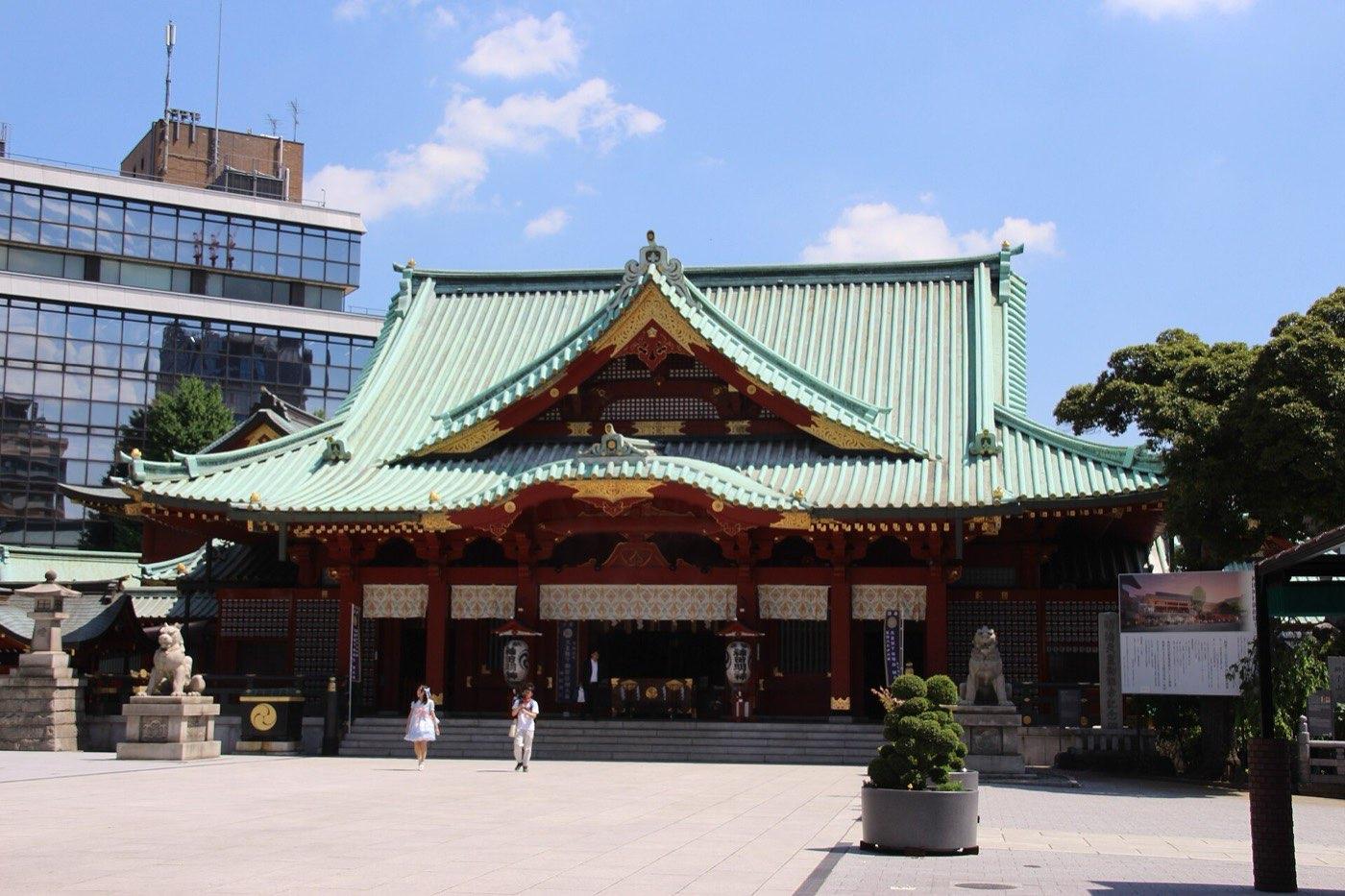
- Kanda Myojin shrine is about a 10-minute walk from Akihabara Station and free to visit.
- Electronics stores let you try the latest gadgets on display for free.
You can spend a whole day in Akihabara without paying for anything but your train ticket. Walk the neon streets, visit Kanda Myojin shrine, browse floor after floor of figures and games, try the latest gadgets and catch whatever event is on. This guide covers the best free things to do and how to time them, especially the Sunday pedestrian zone. For more planning ideas, see our Akihabara travel guides.
A free photo walk around Electric Town
Akihabara is one of the most photogenic districts in Tokyo, and the camera costs nothing. Step out of the Electric Town exit and you are surrounded by tall signs, LED screens and building facades covered in anime and game artwork. New towers sit next to small shops that have been selling parts for decades, which makes for great contrast shots.
The best free event of the week is on Sundays, when Chuo-dori (Akihabara's main street) becomes a pedestrian zone, known in Japan as hokoten (car-free street). The stretch between the Sotokanda 5-chome and Manseibashi intersections, about 570 meters, closes to cars from 1 p.m. to 6 p.m. from April to September, and from 1 p.m. to 5 p.m. from October to March. It is canceled in rain, strong wind or bad weather.
With no traffic, you can stand in the middle of the street for wide shots of the signs, and you will see visitors, families and fans of every age, sometimes in costume. Street performances and selling are not allowed in the zone, so it stays a calm place to walk. If you photograph people, ask first.
Plan your Sunday around it: shop in the morning, have lunch, and be on Chuo-dori when the cars disappear in the early afternoon. Check the weather before you go, because the zone does not open when rain or strong wind is expected, and the side streets stay open to traffic as usual.
Good subjects for your photo walk include the facade of Akihabara Radio Kaikan near the station, the side streets full of electronic parts and the view down Chuo-dori from the station end. For the neon at its best, stay after dark: our guide to Akihabara by day or night explains what changes once the sun goes down.
History and culture for free: Kanda Myojin and the old streets
Akihabara's story is easy to read on the street. After the Second World War, the area filled with stalls selling radio parts, and it grew into Tokyo's Electric Town before anime, manga and games moved in. Our guide to Akihabara's history tells the full story.
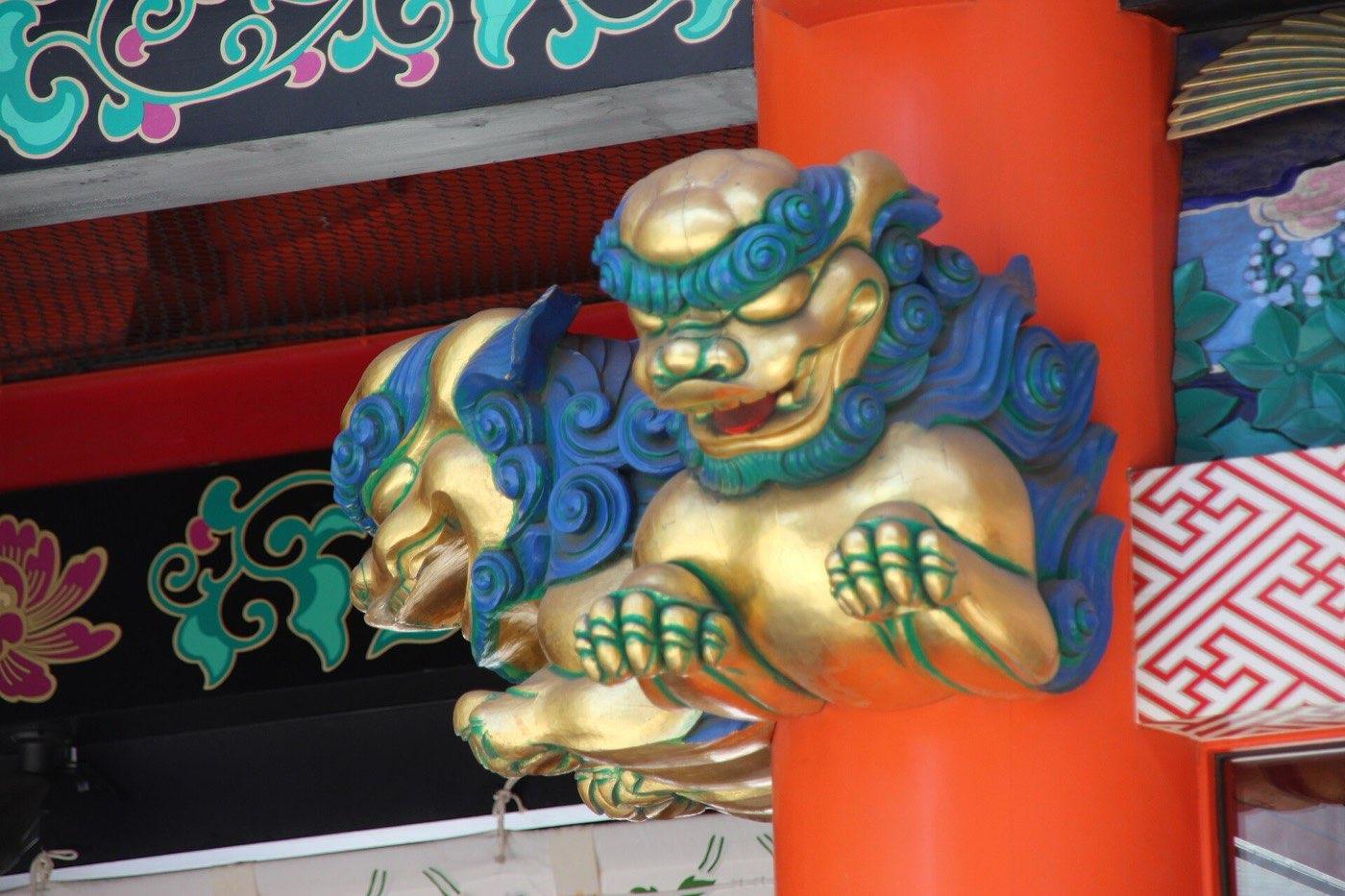
The best free stop away from the shops is Kanda Myojin, a Shinto shrine about a 10-minute walk from Akihabara Station. Walking around the grounds is free; you only pay if you want omamori (shrine charms) or a formal prayer. The shrine has deep roots in the neighborhood, and it is a calm break from the shopping streets.
If your trip falls in May, check the dates of the Kanda Matsuri, one of Tokyo's biggest festivals. The full festival, with processions of mikoshi (portable shrines), is held every two years, in odd-numbered years, around the weekend before May 15. In the other years the ceremony is small and closed to the public.
Back in Electric Town, look up as you walk. Some older buildings and small family shops still keep facades from the decades when the area sold radios and home appliances, right next to the newest anime stores.
Free events: launches, exhibitions and pop-ups
Something is always happening in Akihabara, and much of it is free to watch. Game and anime launches often come with in-store displays, screenings and pop-up corners, and you can look at limited-edition items up close without buying anything.
Big stores such as Yodobashi Camera Multimedia Akiba and AKIHABARA Gamers regularly set up displays for new releases. Check the stores' own announcements and our events in Akihabara page before you go, because dates change all the time.
Collectors can also follow new trading card releases and tournaments as spectators. Our guide to Pokémon cards in Akihabara explains where the card shops are.
Seasonal events add more: illuminations in winter, holiday decorations and matsuri (traditional festivals) in the wider Kanda area. Watching is always free, even if food stalls and goods are not.
Shops, demos and retro games you can enjoy without buying
In Akihabara, the shops themselves are an attraction. Most anime and collectibles stores are spread over several floors, and walking through them feels like visiting a museum of pop culture.
Anime and manga stores. Mandarake Complex is packed with vintage figures, old magazines and rare collectibles, floor after floor, and Animate shows what is popular right now. Browsing is free; just follow each shop's rules on photos, because many do not allow them inside. Our guide to the best anime stores in Akihabara tells you where to start.
Electronics stores. Big stores let you try headphones, cameras, laptops and the latest gadgets on display. It is a free way to test something before buying it anywhere, and staff are used to visitors who are only looking.
Retro games. Super Potato's retro floor is worth a look even if you buy nothing: shelves of old consoles and cartridges and a corner of classic machines. Playing costs money, but watching others play does not.
Capsule toys. The walls of gachapon (capsule toy) machines are fun to browse, and each one shows the full set of toys on its front panel. Our guide to Akihabara Gachapon Hall explains how they work, in case you decide to try one.
Cosplay, fan culture and a free route for your day
A big part of Akihabara's appeal is simply the people. On weekends and holidays you may see cosplayers, especially during the Sunday pedestrian zone, and fans happy to chat about a series. Always ask before taking someone's photo.
To soak up otaku culture (the world of devoted anime, manga and game fans) for free, wander the side streets around Chuo-dori. Small specialist shops, staff from maid cafés (where staff dress as maids) handing out flyers and shop windows full of figures make the area feel like a theme park without a ticket.
Here is a simple free route:
- Late morning: Kanda Myojin, then walk down to Electric Town.
- Midday: browse the anime stores and the electronics demos.
- Afternoon: on Sundays, the pedestrian zone on Chuo-dori; on other days, the side streets and Radio Kaikan.
- Evening: neon photos from the station end of Chuo-dori.
Free does not have to mean empty-handed. If you do want to spend a little, our Akihabara budget guide shows where your money goes furthest, and our travel guides have more ideas for your trip.
Related guides
Akihabara by Day or Night: Which Is Better?
Day or night in Akihabara? Compare shopping, photos, neon lights and crowds, and see how to combine both in one visit.
Things to do in Akihabara
The best things to do in Akihabara: anime stores, Pokémon cards, arcades, gashapon and events, with one-day and two-day itineraries.
Lighting Akihabara: A Journey Light by the Electric City
How Akihabara's lighting evolved, its role in pop culture and tips to enjoy the neon at night, from the best time to go to areas to explore.