
How Much Money Do You Need in Akihabara?
Quick answer
Shopping decides most of it: browsing is free, while figures, cards and gadgets are where budgets go. Food can be cheap, with konbini (convenience store) bento for a few hundred yen and ramen around ¥1,000, and capsule toys cost roughly ¥300 to ¥500 a turn. Prices are approximate and change often.
Key facts
- Shopping is the biggest and most variable part of an Akihabara budget.
- Konbini meals and ramen counters keep food costs low; maid cafés (where staff dress as maids) charge an entrance fee plus a drink.
- Tax-free shopping needs ¥5,000 or more in one store on the same day, plus your passport.
How much you spend in Akihabara depends almost entirely on how much you shop. Walking, browsing and window-shopping cost nothing; food can be cheap or a treat; and figures, cards and gadgets are where budgets disappear. All prices in this guide are approximate and change often: use them to plan, and check current prices before you go. This guide breaks the costs down by category and ends with practical ways to save. For more trip planning, see our Akihabara travel guides.
What decides your Akihabara budget
Four things make the biggest difference, in roughly this order:
- Your shopping list: a visitor who only wants photos and a few souvenirs spends a fraction of what a collector hunting limited figures or a new camera spends.
- How you eat: konbini (convenience store) meals and ramen counters keep costs low, while themed cafés add an entrance fee and themed prices.
- Where you sleep: Akihabara is not mainly a hotel area. Staying in a nearby district can be cheaper, as long as you factor in the train ride.
- When you go: busy travel periods such as Golden Week in spring and the summer holidays push up hotel prices, and events bring tempting exclusive items.
Two smaller costs are easy to forget. Transport is cheap once you are in the area, because Akihabara is best explored on foot, but you still need to get there and back. And leave some room for the unexpected: a rare item you did not plan to buy, a snack, or a second round at the arcade.
If you want to see Akihabara after dark, our guide to Akihabara by day or night helps you decide whether to stay nearby. If your dates match an event, check our events in Akihabara page and budget a little extra for exclusive goods.
The best approach is simple: decide your priorities, look up a few prices before you travel and set a flexible daily limit. The sections below show where the money usually goes.
Shopping: electronics, anime goods and collectibles
Shopping is the biggest and most variable part of any Akihabara budget, so it helps to think in categories.
Electronics. Big stores such as Yodobashi Camera and Bic Camera fill whole floors with cameras, laptops, phones, headphones and accessories. Prices for new models are broadly in line with other big markets, so the appeal is choice and Japan-only items rather than huge discounts. Check that a device works with your home country's plugs, language settings and networks before you buy.
Anime and manga. Stores like Animate, Mandarake and AKIHABARA Gamers sell new and second-hand goods. Manga volumes, keychains and badges are affordable, while scale figures range from modest prices for standard versions to serious money for limited or large editions. Our guide to the best anime stores in Akihabara tells you where to start.
Trading cards. Singles range from very cheap to collector prices, so research the cards you want before you go. Our guide to Pokémon cards in Akihabara explains how to compare shops.
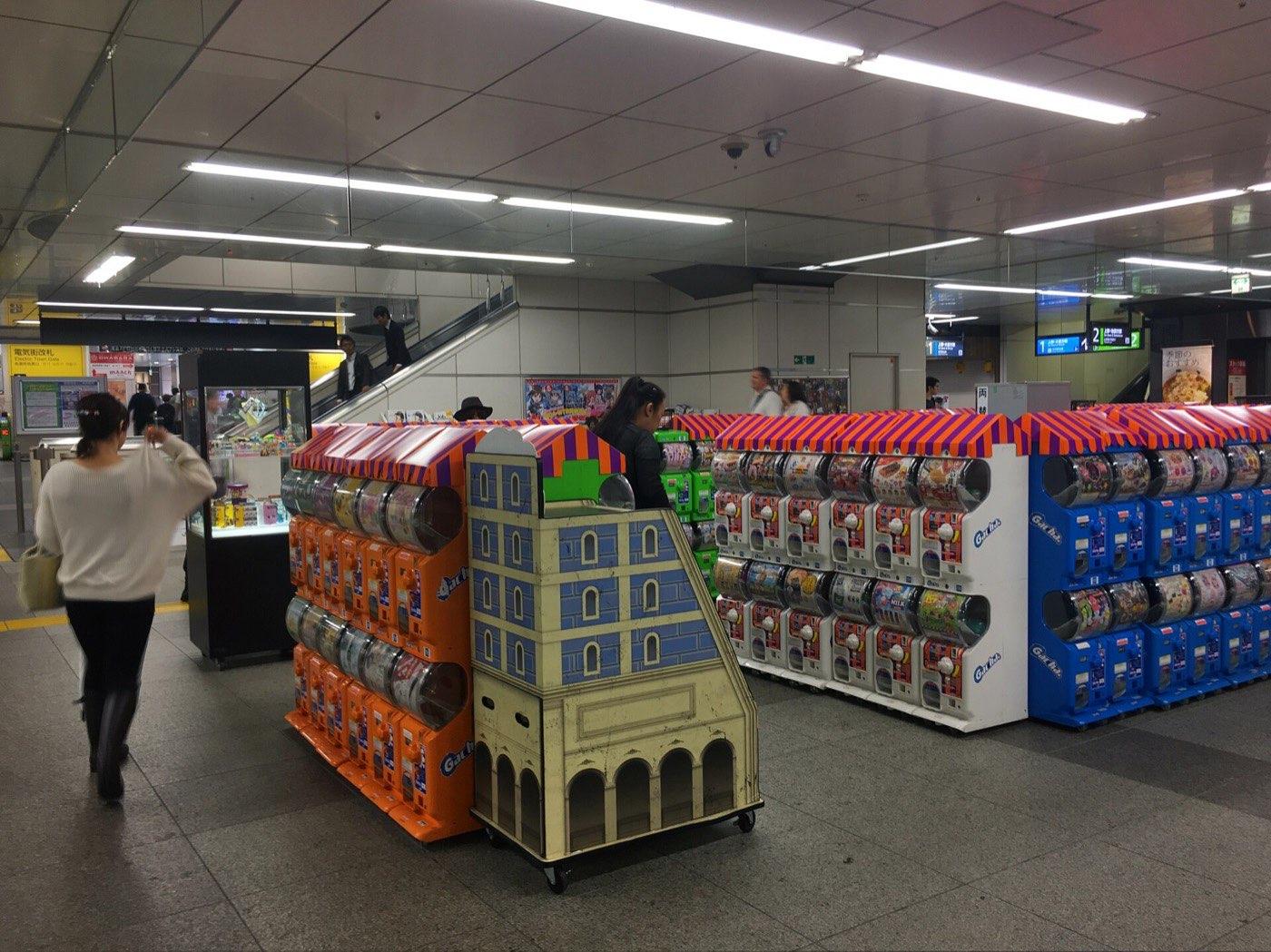
Capsule toys. Gachapon (capsule toys) machines are everywhere. Most standard machines cost a few hundred yen per turn, roughly ¥300 to ¥500, and premium machines cost more. The toys are random, so a full set can add up fast. Our guide to Akihabara Gachapon Hall has more tips.
Retro games. Prices for classic games and consoles have risen with international demand, but you can still find fair deals on common titles. Check the condition and region before buying, and read our guide to buying video games in Akihabara.
Whatever you collect, compare prices in at least two or three shops before buying anything expensive, and set a spending cap for the day. With this many shops in a few blocks, it is easy to lose track.
Tax-free shopping. Visitors can shop tax-free at participating stores when they spend ¥5,000 or more (before tax) in one store on the same day. For purchases from November 1, 2026, Japan uses a refund system: you pay the price with tax at the register, then get the tax back after customs checks your purchases when you leave the country, within 90 days. Bring your passport and ask the store how its refund works.
Food: what it costs to eat in Akihabara
Eating in Akihabara can be very cheap or a planned treat, and most visitors mix both.
- Konbini meals: 7-Eleven, Lawson and FamilyMart sell onigiri (rice balls), sandwiches and bento boxes. A bento usually costs a few hundred yen, roughly ¥400 to ¥900, which makes this the cheapest way to eat well.
- Ramen and curry: a bowl of ramen at a local counter is one of the best-value sit-down meals, at around ¥1,000. Many places use a ticket machine, so you pay before you eat. Our guide to ramen in Akihabara helps you choose.
- Maid cafés (where staff dress as maids): most charge an entrance fee plus at least one drink, so budget roughly ¥1,500 or more per person before food. Photos with staff and extras cost more.
- Themed and collaboration cafés: menus based on anime and games cost more than a regular café, and some sell exclusive goods you will want to take home.
- Sweets and coffee: crepes, taiyaki, dango and matcha ice cream are easy snacks, and there are plenty of coffee shops for a break.
For a sit-down dinner, Akihabara also has izakaya (Japanese pubs) and restaurants serving sushi, tempura and more. See our guide to restaurants in Akihabara.
Carry some cash. More and more places take cards and IC cards, but some small restaurants and machines still only take cash, and tipping is not expected in Japan.
Experiences and events: arcades, cafés and exhibitions
Beyond shopping and food, set aside some money for the things you do rather than buy.
Arcades. Most machines take ¥100 coins per play. Crane games are the easiest way to burn through coins, so decide your limit before you start, for example ¥1,000, and stop when it is gone. Rhythm and fighting games give you more playing time per coin. Our guide to the best arcades in Akihabara helps you pick where to play.
Purikura (photo sticker booths). They are a fun souvenir with friends, priced per session. Set a small budget for them too.
Events and exhibitions. Many in-store events and cosplay gatherings are free to watch, but paid photo sessions, exhibitions and special areas have entrance fees, and event-only goods add up quickly.
Workshops and tours. Some shops and cafés offer activities such as model-building or card game introductions, and guided tours are available if you want local tips on your first visit. Prices vary a lot, so compare before you book.
The good news is that you can balance paid experiences with free ones. Window-shopping, street photography, the neon at night and shrines nearby cost nothing.
How to save money in Akihabara
A few habits keep your budget on track without missing what matters:
- Make a priority list: separate must-haves from nice-to-haves before you go, so you do not spend on impulse.
- Look for second-hand and discounts: many shops have used sections and sale corners, especially for figures, games and electronics.
- Compare online first: checking prices on Japanese shop websites before your trip helps you spot a fair deal.
- Use a Suica (a rechargeable IC transit card) or a PASMO for trains, so you do not need to buy tickets for every ride.
- Mix cheap and special meals: a konbini breakfast leaves room for a themed café later.
- Enjoy the free side of Akihabara: our guide to free things to do in Akihabara has plenty of ideas.
- Set a daily limit: use a budgeting app or keep cash in separate envelopes, and stop when you hit the limit.
- Cap the small stuff: gachapon and purikura feel cheap one at a time, so give them their own budget.
- Stay nearby: capsule hotels, hostels or a neighboring district can cut the biggest fixed cost of the trip.
- Choose light souvenirs: keychains, badges and mini figures are cheap and easy to pack.
Finally, do not count every yen. Spend on what you really care about, whether that is a rare figure, a themed dinner or an evening at the arcade, and save on the rest. For routes and more planning tips, browse our travel guides and see how to fit it all into one day in Akihabara.
Related guides
Akihabara by Day or Night: Which Is Better?
Day or night in Akihabara? Compare shopping, photos, neon lights and crowds, and see how to combine both in one visit.
Things to do in Akihabara
The best things to do in Akihabara: anime stores, Pokémon cards, arcades, gashapon and events, with one-day and two-day itineraries.
Lighting Akihabara: A Journey Light by the Electric City
How Akihabara's lighting evolved, its role in pop culture and tips to enjoy the neon at night, from the best time to go to areas to explore.